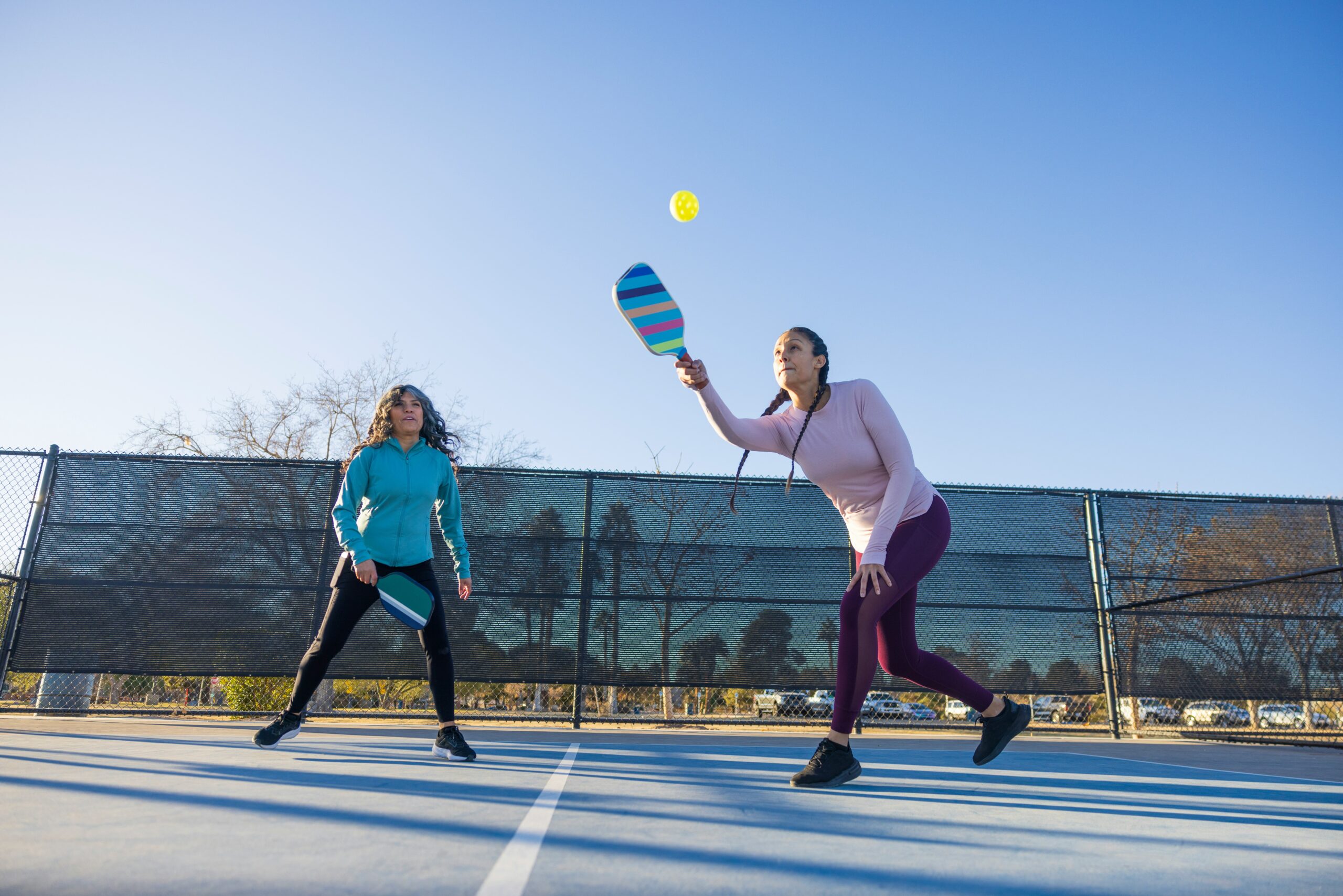
Pickleball has quickly become one of the fastest-growing sports in the United States, attracting players of all ages and skill levels. Its blend of tennis, badminton, and ping pong makes it easy to learn while still offering plenty of depth for improvement. If you are new to the game, starting with the right approach can help you build confidence and enjoy every match.
Whether you are playing casually with friends or stepping onto a competitive court, understanding the basics and applying smart strategies will set you apart. The following tips will guide beginners through key techniques, positioning, and mindset adjustments to elevate their pickleball experience.
Learn the Basic Rules and Court Layout
Before focusing on advanced techniques, it is important to understand how the game works. Pickleball is played on a smaller court than tennis, with a lower net. The non-volley zone, also called the kitchen, is a critical area where players cannot hit volleys, and this rule shapes much of the game’s strategy.
Scoring, serving rotation, and fault rules may seem confusing at first, but taking time to learn them will prevent unnecessary mistakes. Watching a few beginner-friendly videos or playing with experienced players can help you grasp these fundamentals quickly and confidently.
Focus on Consistent Serves
A reliable serve is one of the most important skills for beginners. In pickleball, serves must be made underhand and below the waist, which makes consistency more important than power. Aim to get the ball in play every time rather than trying to score directly from your serve.
Practice placing your serve deep into your opponent’s court to push them back and limit their offensive options. Over time, you can experiment with spin and placement, but building a dependable serve should always be your priority.
Master the Soft Game
One of the biggest differences between pickleball and other racket sports is the importance of soft shots. Dinks, which are gentle shots that land in the kitchen, are essential for controlling rallies and forcing opponents into mistakes. Beginners often try to hit too hard, which leads to unforced errors.
By slowing the game down and focusing on placement, you can gain better control of each point. Practicing dinks with a partner helps improve touch and patience, both of which are key skills for long-term success in pickleball.
Improve Your Court Positioning
Good positioning can make a significant difference in your performance. After serving or returning, move toward the net as soon as possible, since most points are won near the kitchen line. Staying too far back puts you at a disadvantage and limits your ability to react quickly.
Always maintain a balanced stance with your paddle up and ready. Try to move in sync with your partner in doubles, maintaining a consistent distance to cover the court effectively and avoid leaving open spaces.
Communicate with Your Partner
In doubles play, communication is just as important as physical skill. Clear and simple calls such as “mine” or “yours” can prevent confusion and missed shots. Establishing roles and understanding each other’s strengths can also improve teamwork.
It is helpful to discuss strategies between points, especially when facing stronger opponents. Encouraging your partner and maintaining a positive attitude will build trust and make your team more effective during competitive matches.
Practice Control Over Power
Many beginners believe that hitting harder will lead to more points, but in pickleball, control is far more valuable. Powerful shots often result in errors if not executed properly, especially when played near the net.
Focus on keeping the ball in play and placing it where your opponent is not. Controlled shots that force your opponent into difficult positions are more likely to win points than aggressive hits that lack accuracy.
Develop Quick Reflexes
Pickleball is a fast-paced game, especially during net exchanges. Developing quick reflexes will help you respond to volleys and unexpected shots more effectively. Keeping your paddle up and ready at all times gives you a better chance to react quickly.
Simple drills, such as volleying back and forth with a partner, can improve your reaction time. Over time, you will become more comfortable handling fast exchanges and maintaining control under pressure.
Use Proper Footwork
Footwork plays a crucial role in reaching the ball and maintaining balance during shots. Beginners often focus only on their paddle skills, but good movement is equally important. Staying light on your feet and taking small, quick steps will help you adjust to the ball’s direction.
Avoid crossing your feet or overreaching, as this can lead to poor positioning and missed shots. Practicing basic movement drills can improve your agility and make it easier to get into the right position for every shot.
Stay Patient and Minimize Errors
Patience is one of the most valuable traits in pickleball. Instead of rushing to finish points, focus on maintaining consistency and waiting for the right opportunity to attack. Many points are won by letting the opponent make mistakes.
Reducing unforced errors should be a primary goal for beginners. By playing smarter and staying composed, you can outlast opponents and gradually gain control of the game.
Keep Practicing and Have Fun
Like any sport, improvement in pickleball comes with regular practice and experience. Playing frequently helps you build muscle memory, understand different playing styles, and refine your skills over time. Do not be discouraged by early mistakes, as they are part of the learning process.
Most importantly, remember to enjoy the game. Pickleball is meant to be social and fun, and maintaining a positive mindset will keep you motivated. As your confidence grows, you will naturally see progress in your performance and overall enjoyment of the sport.