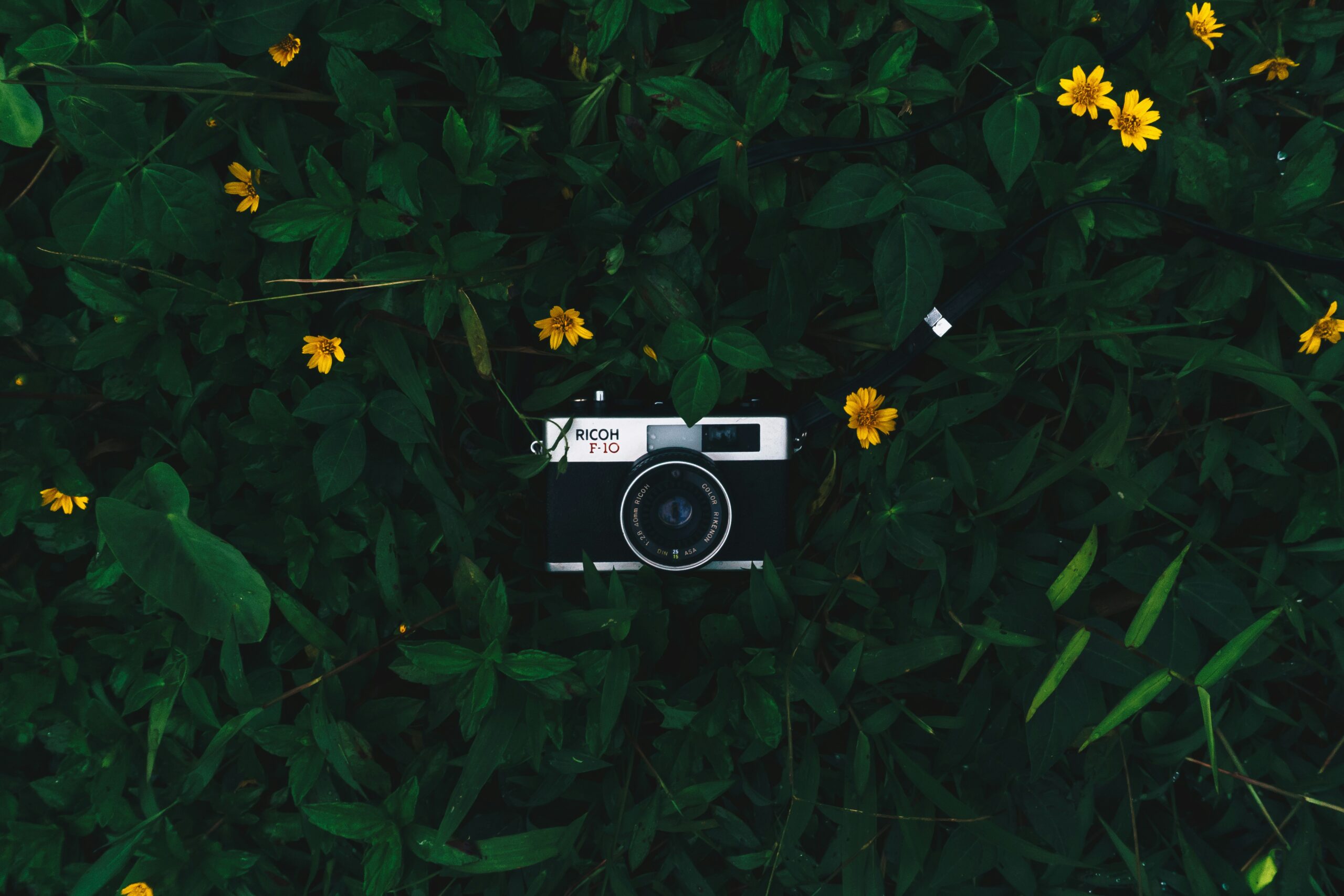
Starting a new hobby can feel exciting and overwhelming at the same time. Photography is one of those hobbies that looks complex but is simple at heart. Photography for Beginners is about learning step by step and enjoying the process. You do not need to travel far or buy costly gear to begin. You only need curiosity and practice. Every great photographer once started as a beginner. They learned by taking many photos and studying their results. You can do the same with patience and focus. The goal is not perfection in the first week. The goal is progress and confidence. When you understand the basics, you can capture memories that truly matter.
Getting Comfortable with Your Camera
The first step in photography is knowing your camera well. Many beginners ignore the manual and guess their way through. Reading the manual helps you understand key buttons and features. Learn how to adjust focus and switch between modes. Practice holding your camera steady with both hands. A steady grip prevents blurry images. Try using autofocus before moving to manual focus. This builds confidence and control.
Explore basic settings like shutter speed and aperture. Shutter speed controls how motion appears in your photo. Fast speeds freeze action clearly. Slow speeds create soft motion effects. Aperture controls depth of field. A wide aperture blurs the background nicely. A narrow aperture keeps more of the scene sharp. Take time to test each setting under different lighting conditions. Practice at home or in your backyard first. Comfort with your camera builds strong skills over time.
Seeing Light in a New Way
Light shapes every photograph you take. Good light makes colors bright and details sharp. Bad light can hide important parts of your subject. Natural light is perfect for beginners. Stand near a window for soft indoor photos. Shoot outdoors during sunrise or sunset for warm tones. These times create gentle shadows and balanced light.
Avoid using flash too often. Flash can make photos look flat or harsh. Move your subject closer to the light instead. Change your angle to reduce shadows on faces. Notice how clouds change outdoor lighting. Overcast days provide smooth, even light. Practice watching how light falls on objects. Train your eyes before pressing the shutter. Understanding light improves your results more than any expensive lens.
Framing Your Shots with Purpose
A strong photo needs clear focus and balance. Framing means deciding what to include and what to leave out. Keep your main subject simple and clear. Remove objects that distract from your subject. Use lines in the scene to guide the viewer’s eye. Roads, fences, or stairs can create a natural sense of direction.
Try placing your subject slightly off-center. This often looks more natural than placing it in the middle. Move around instead of zooming in too much. Changing position gives a fresh perspective. Kneel for low angles or stand higher for wide views. Clean backgrounds improve the overall look of your photo. Practice taking the same subject from many angles. This builds your creative thinking and vision.
Building Skills Through Daily Practice
Daily practice makes a big difference in photography growth. You do not need special events to take photos. Capture simple moments like a cup of coffee or a pet resting. Focus on details and small textures around you. Review your photos at the end of each day. Ask yourself what worked well and what needs improvement.
Try setting small weekly goals. For example, focus only on black-and-white photos for a few days. Practice shooting safely in low-light conditions. Join online communities to share your work. Feedback helps you learn faster. Many photographers grow by studying others’ styles. Learning Essential Camera Settings for Beginners improves control and confidence. Keep experimenting with settings in a safe, easy environment. Growth happens with steady effort.
Challenge yourself with creative themes. Capture emotions in portraits. Focus on patterns in nature. Photograph reflections in water or glass. These simple exercises sharpen your eye. Do not compare your journey with others. Every photographer improves at a different pace. Stay patient and enjoy each step forward.
Editing and Creating Your Unique Style
Editing is part of modern photography. It helps enhance your photos without changing reality too much. Start with basic tools like brightness and contrast. Adjust color balance to make tones look natural. Crop your image to improve composition. Keep edits simple and clean.
Avoid using too many filters. Heavy filters can remove natural beauty. Compare your edited photo with the original. Make sure the final version still feels real. Save your work in organized folders on your device. Good organization saves time in the future. Share your best photos with family and friends.
As your skills grow, you will develop your own style. Some photographers love bright colors. Others prefer soft and calm tones. Explore what feels right to you. The journey of Beginner Photography Skills Growth takes time and patience. Keep learning new techniques and testing fresh ideas. Capture moments that tell real stories. With steady practice and creative effort, you will build confidence and skill in every shot.