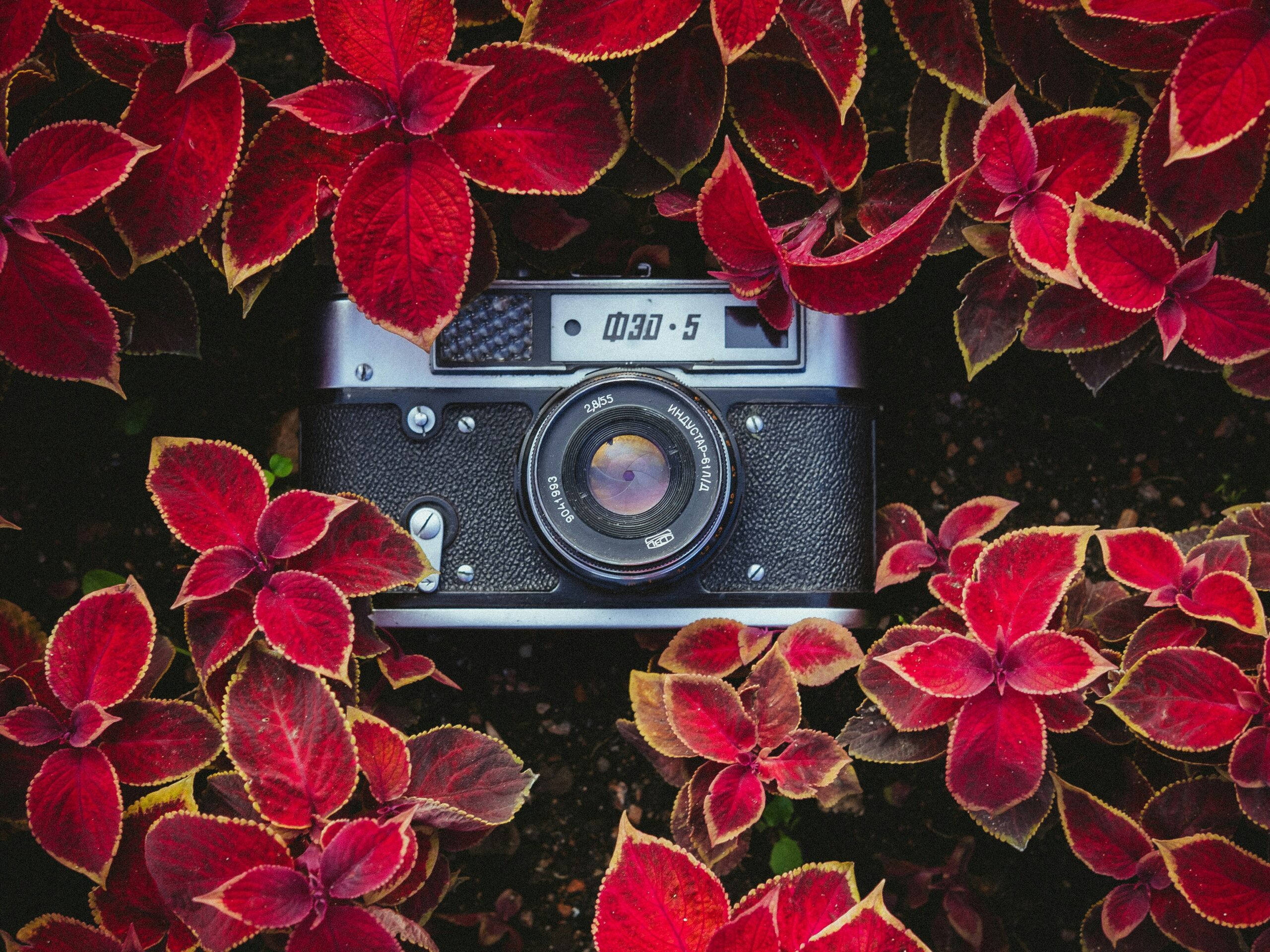
Composition is the backbone of compelling photography. It determines how each element within the frame interacts, where the viewer’s eyes travel, and how the story unfolds visually. While lighting and subject matter often get the most attention, composition is the structure that supports everything a photograph communicates. When used skillfully, it transforms simple scenes into meaningful images filled with intention and emotion. Below is a fresh and detailed look at why composition plays such a vital role in photography and how it elevates visual storytelling.
The Foundation of Visual Storytelling
Composition acts as the photographer’s blueprint. It controls how subjects and elements fit together in a meaningful way. Without a thoughtful arrangement, even the most interesting subjects can fall flat or confuse the viewer. A strong composition creates clarity, guiding the viewer smoothly through the image and reinforcing what the photographer wants to emphasize.
Because viewers instinctively respond to visual structure, composition becomes a powerful tool for shaping interpretation. Even those who know nothing about photography react to balance, flow, and spacing—sometimes without even realizing it. When a scene feels harmonious or striking, composition is often the reason.
Composition also sets the tone for how the viewer experiences the image. Whether the goal is to spark curiosity, evoke calmness, or highlight complexity, deliberate arrangement matters. With intentional composition, photographers communicate meaning before a single detail is analyzed.
Creating Balance and Harmony
Balance is a key reason composition carries so much weight. A balanced photograph feels stable and pleasing, even when its elements are not symmetrical. Photographers distribute visual weight using subjects, shapes, light, and color to create a sense of equilibrium. This balance helps keep the viewer engaged and comfortable as they explore the image.
But imbalance has its place too. When used with intention, an unbalanced frame can heighten drama or convey tension. By placing a subject off-center or allowing one side of the frame to dominate, photographers can stir emotions and challenge the viewer’s expectations. Knowing how to achieve both balance and imbalance allows photographers greater creative flexibility.
Harmony arises when all the elements work together naturally. Nothing feels random or out of place. This harmony strengthens the photograph’s message and allows the subject to stand out with clarity and purpose.
Directing the Viewer’s Eye
One of the most practical functions of composition is its ability to guide the viewer’s eye. Techniques such as leading lines, framing, and strategic placement help direct attention toward the main subject. These visual cues act like pathways, allowing the viewer to navigate the image with ease.
Leading lines—formed by roads, fences, architecture, or shadows—naturally draw the eye toward a focal point. They help establish flow and movement within a still image. Framing elements, like archways or tree branches, narrow the viewer’s focus and highlight the subject.
This purposeful guidance is essential because a photograph without direction can feel confusing or overwhelming. Composition ensures that every part of the image works together to communicate the intended message clearly and effectively.
Building Depth and Dimension
Even though photographs are flat, composition helps create the illusion of depth. Photographers use foreground, middle ground, and background elements to add layers and dimension to their images. This makes the viewer feel as if they are stepping into the scene rather than simply observing it.
Depth can also be achieved by using perspective, leading lines, and overlapping objects. These techniques help separate the subject from the background, creating a richer, more immersive experience. The more depth an image offers, the more dynamic and engaging it becomes. By mastering depth, photographers bring realism and atmosphere to their work. Whether capturing landscapes, portraits, or street scenes, a sense of dimension adds power and presence to the photograph.
Strengthening Emotional Impact
A photograph’s emotional tone is closely tied to its composition. The way elements are arranged influences how the viewer feels when looking at the image. Wide, open compositions can evoke freedom, serenity, or loneliness, while tight, close compositions may create intimacy or tension. Vertical lines can suggest strength or growth, while diagonal lines add energy and motion.
Because composition shapes emotion, it becomes one of the most expressive tools a photographer has. Every structural decision—what to include, where to place the subject, how much negative space to leave—carries emotional weight. Understanding this allows photographers to tell deeper, more resonant stories. With thoughtful composition, the viewer not only sees the image but feels it. Emotion becomes an integral part of the visual experience.
Simplifying for Clarity
Clutter is one of the biggest challenges in photography, especially in busy environments. A strong composition simplifies the scene by removing distractions and focusing on what matters most. This can be achieved through careful framing, negative space, or a clean background.
A simple composition does not mean the image is empty—it means everything present serves a purpose. By eliminating unnecessary elements, photographers allow the subject to shine without interference. This clarity makes the image more powerful and memorable. Simplicity also enhances the viewer’s connection to the subject. With fewer distractions competing for attention, the image’s emotional and narrative elements become more impactful.
Telling Stories Through Arrangement
Every photograph, whether intentional or not, tells a story. Composition is the photographer’s storytelling tool. By controlling the position and relationship of elements within the frame, the photographer shapes how the viewer interprets the scene.
Subtle adjustments—lowering the angle, shifting the subject, zooming closer—can change the narrative entirely. Composition determines whether the story feels dramatic, peaceful, mysterious, or joyful. It provides structure, context, and meaning, transforming the photograph into more than just a visual capture. Storytelling is what makes an image memorable. Through composition, photographers craft stories that linger long after the viewer has looked away.
Inspiring Creative Exploration
Composition is often taught through rules, such as the rule of thirds or symmetry, but these guidelines are just the beginning. Once photographers understand the basics, they can start experimenting—breaking rules, bending expectations, and exploring new perspectives.
Creative composition encourages innovation. Two photographers can stand in the same location and produce entirely different images simply by rearranging the elements. This freedom fosters individuality, helping photographers develop their own vision and artistic identity. Exploration leads to growth. As photographers challenge themselves to see scenes in new ways, their ability to compose compelling images strengthens.
Enhancing Overall Image Quality
Composition contributes significantly to a photograph’s technical quality. When photographers carefully consider framing, they naturally think about exposure, focus, and depth of field. This intentionality leads to stronger, cleaner, and more precise images.
Good composition also reduces the need for heavy cropping or extensive post-processing. By getting the arrangement right in-camera, photographers preserve detail, sharpness, and resolution. As a result, the final image is not only more aesthetically appealing but also technically sound. Strong composition is both an artistic and practical skill—one that elevates every aspect of the photograph.
Final Thoughts: Composition as the Heart of Photography
Composition is the heart of compelling photography. It shapes how viewers see, feel, and understand an image. Through balance, depth, simplicity, storytelling, and creativity, composition transforms ordinary scenes into captivating visual experiences.
Mastering composition doesn’t require expensive gear—it requires awareness, practice, and thoughtful observation. When photographers learn to compose with intention, their images gain clarity, emotional strength, and artistic impact.