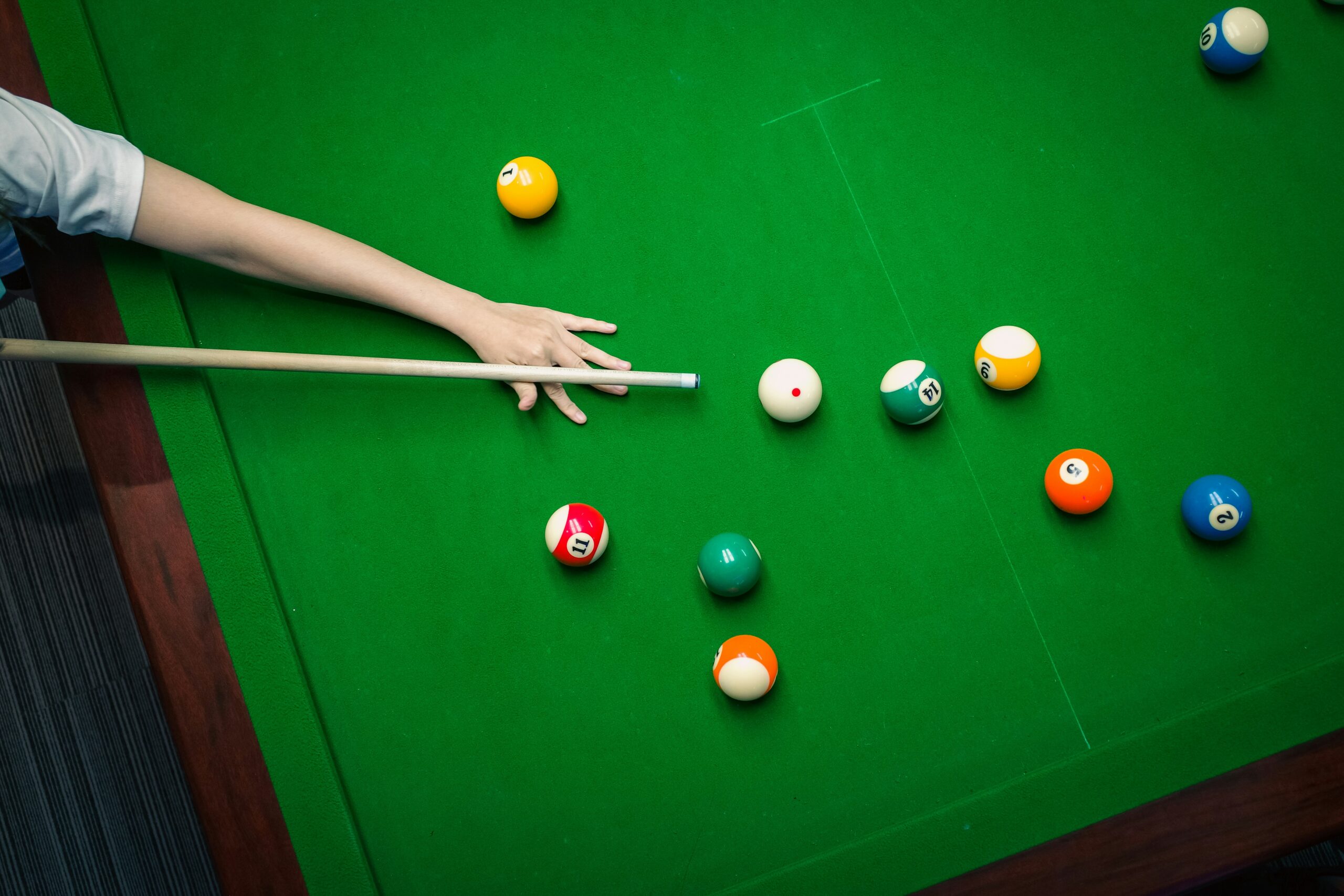
Billiards improves advanced cognitive skills in ways that many people overlook. While most players enjoy the game for relaxation or competition, the mental benefits often go unnoticed. Every shot requires analysis, planning, and control, all of which actively engage the brain. As a result, players strengthen their thinking abilities through consistent practice.
Moreover, billiards improves advanced cognitive skills by combining focus, logic, and adaptability in a single activity. Players must assess each situation, make decisions, and adjust their strategies as conditions change. Therefore, the game creates a structured environment that helps the brain learn to process information more efficiently. Over time, this leads to sharper thinking and improved mental performance.
Understanding the Cognitive Demands of Billiards
Billiards improves advanced cognitive skills by requiring constant mental effort. Players must observe the table, analyze ball positions, and determine the best possible shot. This process strengthens attention and critical thinking.
In addition, the game encourages active problem-solving. Players cannot rely on guesswork. Instead, they must evaluate each option and predict outcomes. As a result, the brain becomes more efficient at handling complex situations. This improvement supports better decision-making in everyday life.
Strengthening Memory and Recall Through Gameplay
Billiards improves advanced cognitive skills by enhancing memory. Players remember previous shots, strategies, and patterns that worked well in similar situations. This recall helps them make better decisions during the game.
Furthermore, repeated exposure to different scenarios strengthens long-term memory. Players begin to recognize patterns quickly and respond with confidence. As a result, memory becomes more reliable, which benefits both learning and problem-solving outside the game.
Enhancing Logical Thinking and Reasoning
Billiards improves advanced cognitive skills through logical reasoning. Players must understand how angles, speed, and positioning affect the movement of the balls. This requires clear and structured thinking.
Therefore, players develop a strong sense of cause and effect. They learn to predict outcomes based on their actions. This ability supports better reasoning in real life, where logical thinking helps solve problems efficiently and accurately.
Building Strategic Thinking and Planning Skills
Billiards improves advanced cognitive skills by encouraging strategic thinking. Players must think ahead and plan multiple moves. Each shot sets up the next opportunity, which requires careful consideration.
As a result, players develop a long-term perspective. They learn to create plans and adjust them as needed. This skill translates into real-life situations where planning and foresight lead to better outcomes. Strategic thinking becomes a natural part of their decision-making process.
Improving Focus and Sustained Attention
Billiards improves advanced cognitive skills by strengthening focus. Players must stay attentive to details such as angles, speed, and positioning. Even a small distraction can lead to mistakes.
Over time, this practice improves sustained attention. Players learn to concentrate for longer periods without losing focus. This ability enhances productivity and performance in tasks that require deep thinking and careful analysis.
Encouraging Adaptability and Flexible Thinking
Billiards improves advanced cognitive skills because the game constantly changes. Each shot creates a new situation, which requires players to adjust their strategy. Therefore, adaptability becomes essential.
In addition, flexible thinking allows players to find creative solutions. When a planned shot fails, they must quickly find another approach. This skill proves valuable in real life, where challenges often require quick adjustments and innovative thinking.
Developing Spatial Awareness and Visualization
Billiards improves advanced cognitive skills by enhancing spatial awareness. Players must visualize how the balls will move across the table before taking a shot. This mental process strengthens their ability to understand space and movement.
Moreover, visualization improves predictive thinking. Players imagine different outcomes and choose the best option. This ability supports better planning and problem-solving in everyday tasks that involve spatial reasoning.
Improving Decision Making Under Pressure
Billiards improves advanced cognitive skills by teaching players to make decisions under pressure. Each shot carries consequences, which forces players to think quickly and accurately.
As a result, players learn to stay calm and focused during challenging moments. This skill improves decision-making in real life, where pressure often affects performance. Players who remain composed can evaluate situations clearly and choose the best course of action.
Strengthening Emotional Control and Mental Discipline
Billiards improves advanced cognitive skills by building emotional control. Players must manage frustration and stay focused even after making mistakes. This discipline helps maintain consistent performance.
Furthermore, emotional control supports better thinking. When individuals stay calm, they can analyze situations more effectively. This leads to better decisions and improved problem-solving skills in both personal and professional settings.
Learning Through Feedback and Continuous Improvement
Billiards improves advanced cognitive skills by providing immediate feedback. Players can see the results of their decisions right away, which helps them understand what works and what does not.
As a result, they refine their strategies and improve their thinking process. This cycle of action and feedback encourages continuous learning. In real life, this mindset helps individuals grow and adapt, leading to better performance over time.
Building Confidence in Cognitive Abilities
Billiards improves advanced cognitive skills by boosting confidence. As players develop their abilities, they trust their judgment and decision-making skills.
Consequently, this confidence extends beyond the game. Individuals become more willing to take on challenges and solve problems independently. Confidence supports stronger performance and encourages a proactive approach to learning and growth.
Applying Cognitive Skills Beyond the Pool Table
Billiards improves advanced cognitive skills that apply to real-life situations. The habits developed during gameplay influence how individuals approach challenges in work, education, and personal life.
In addition, players use their analytical and strategic thinking skills to solve problems more effectively. They become better at planning, adapting, and making decisions. Therefore, billiards becomes a practical tool for improving overall cognitive performance.