Maintaining a healthy home requires more than regular cleaning and proper ventilation. Indoor moisture levels also influence air quality and the condition of building materials. When humidity remains high, moisture can collect on walls, ceilings, and other surfaces. These conditions may encourage mold growth, especially in poorly ventilated areas.
Humidity monitoring helps homeowners identify moisture problems before they become serious. By tracking indoor humidity and making practical adjustments, residents can reduce conditions that support mold growth. This preventive approach protects household materials, improves indoor comfort, and supports a healthier living environment.
Understanding the Connection Between Humidity and Mold
Mold grows when moisture is available on suitable surfaces. Materials such as drywall, wood, carpeting, and wallpaper can support growth when they remain damp. High indoor humidity increases the likelihood that these materials will absorb moisture or develop condensation. Bathrooms, basements, and poorly ventilated rooms often face greater moisture-related challenges.
However, mold does not require visible standing water to develop. Persistent dampness may provide enough moisture for growth, particularly when surfaces remain wet for extended periods. Monitoring humidity helps homeowners recognize conditions that increase this risk. Keeping indoor moisture under control reduces opportunities for mold to develop and spread throughout the home.
Why Indoor Humidity Levels Matter
Relative humidity measures the amount of water vapor in the air compared with the maximum amount it can hold at a particular temperature. When relative humidity increases, certain household surfaces may become more vulnerable to moisture buildup. This problem becomes especially noticeable when warm, humid air contacts cooler windows, walls, or pipes.
The Environmental Protection Agency recommends keeping indoor relative humidity below 60 percent, ideally between 30 and 50 percent. Maintaining this range can help reduce mold growth and improve indoor comfort. However, temperature, outdoor weather, and building conditions influence moisture levels. Regular monitoring allows homeowners to recognize changes and respond before persistent dampness becomes a larger concern.
Using Humidity Monitors to Detect Moisture Problems
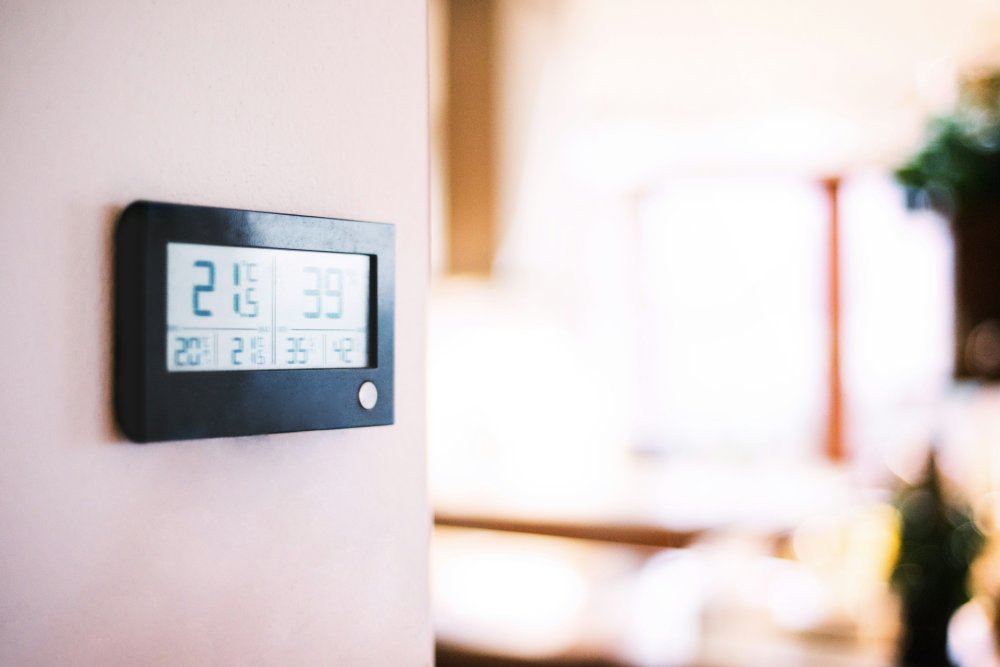
A hygrometer is a simple device that measures relative humidity. Digital models commonly display humidity and temperature readings, making them convenient for residential use. Homeowners can place these devices in areas where moisture problems are more likely, including basements, bathrooms, bedrooms, and laundry rooms.
Monitoring becomes more useful when residents review readings over time rather than relying on one measurement. For example, humidity may rise temporarily after a shower or during cooking. However, consistently elevated readings may indicate inadequate ventilation or another moisture problem. Some smart monitors can record trends and provide alerts. These features help homeowners recognize recurring conditions and make informed adjustments.
Identifying High-Risk Areas Around the Home
Different rooms experience different moisture conditions. Bathrooms frequently produce steam, while kitchens generate humidity through cooking and dishwashing. Laundry rooms may become damp when dryers lack proper ventilation. Basements and crawl spaces can also experience moisture problems because of groundwater, foundation issues, or limited airflow.
Homeowners should pay particular attention to spaces with recurring condensation, musty odors, or visible dampness. Closets against exterior walls and areas behind large furniture may also have limited air circulation. Placing humidity monitors in these locations can reveal differences that a single central reading might miss. However, humidity measurements cannot identify every hidden leak, so visual inspections remain important.
Improving Ventilation to Control Indoor Moisture
Proper ventilation helps remove moisture produced by everyday household activities. Bathroom exhaust fans can reduce humidity after showers, while kitchen ventilation helps manage steam from cooking. These systems work best when they discharge moist air outdoors rather than into attics or other enclosed spaces.
Opening windows may also improve ventilation when outdoor conditions are suitable. However, bringing humid outdoor air inside can increase indoor moisture, especially during warm or rainy weather. Homeowners should consider outdoor humidity before relying on natural ventilation. Combining appropriate airflow with regular humidity monitoring helps maintain more stable indoor conditions and reduces the likelihood of condensation.
Managing Humidity With Dehumidifiers and Air Conditioning
Dehumidifiers remove excess moisture from indoor air and can be especially useful in damp basements or other enclosed spaces. Homeowners can select equipment based on room size, humidity conditions, and moisture removal capacity. Many modern models allow users to choose a target humidity level, making ongoing moisture control more convenient.
Air conditioning systems also remove some moisture while cooling indoor spaces. However, equipment that runs infrequently or does not match household needs may provide limited humidity control. Regular maintenance helps these systems operate effectively. Homeowners should clean dehumidifier reservoirs, maintain filters, and ensure proper drainage. These practices support reliable moisture removal while reducing the possibility of additional water problems.
Preventing Condensation on Household Surfaces
Condensation occurs when moist air contacts a surface cold enough for water vapor to collect. Windows, exterior walls, and uninsulated pipes are common locations. Repeated condensation can damage paint, weaken building materials, and create damp conditions that support mold growth.
Humidity monitoring helps residents understand when condensation becomes more likely. However, reducing indoor humidity may not solve every problem. Improving insulation, sealing unwanted air leaks, and addressing cold surfaces can also help. Homeowners should dry visible condensation promptly and investigate recurring moisture. Combining temperature management with humidity control provides better protection than relying on either approach alone.
Recognizing Hidden Moisture and Water Damage
High humidity is only one possible source of residential mold problems. Plumbing leaks, roof damage, foundation seepage, and poorly sealed windows can introduce moisture directly into building materials. These problems may develop behind walls or beneath flooring without causing an immediate increase in room humidity.
Therefore, homeowners should not assume that normal hygrometer readings guarantee a mold-free home. Water stains, peeling paint, warped materials, and persistent musty odors deserve attention. Any known leaks should be repaired promptly, and wet materials should generally be dried within 24 to 48 hours when possible. Significant or recurring damage may require professional inspection to identify the moisture source.
Creating a Consistent Humidity Monitoring Routine
A regular monitoring routine makes moisture management easier. Homeowners can check humidity readings at similar times each day and observe how conditions change during cooking, bathing, or seasonal weather shifts. Recording unusual increases may help identify activities or building conditions that require attention.
Seasonal changes also influence indoor moisture. Humid summers may require additional dehumidification, while colder months can create condensation on poorly insulated surfaces. Homeowners should adjust ventilation and moisture control methods according to actual conditions. Regular equipment maintenance and household inspections help ensure that monitoring leads to useful preventive action rather than simply collecting measurements.
Supporting Long-Term Mold Prevention Through Moisture Control
Effective mold prevention depends on controlling moisture sources throughout the home. Humidity monitoring provides valuable information, but homeowners must combine it with ventilation, leak repairs, appropriate insulation, and routine maintenance. These measures address different causes of dampness and help protect building materials.
When visible mold develops, cleaning alone may not prevent it from returning unless the underlying moisture problem is corrected. Extensive contamination or damage involving hidden spaces may require qualified remediation professionals. Early attention can help limit the extent of repairs and reduce repeated moisture problems.
Humidity monitoring offers a practical way to strengthen residential mold prevention. By understanding indoor moisture patterns, identifying high-risk areas, and responding to persistent dampness, homeowners can reduce conditions that encourage mold growth. Consistent monitoring, combined with proper maintenance and timely repairs, supports a more comfortable and healthier home.